Non-Materialized Views in Databases: Security and IT Operations Considerations
Overview
Non-materialized views, also known as virtual views, are database objects that store SQL queries rather than physical data. Unlike materialized views, which persist query results, non-materialized views dynamically retrieve data from underlying tables whenever queried.
For IT and Security Engineers, understanding non-materialized views is crucial for access control, performance optimization, and compliance enforcement
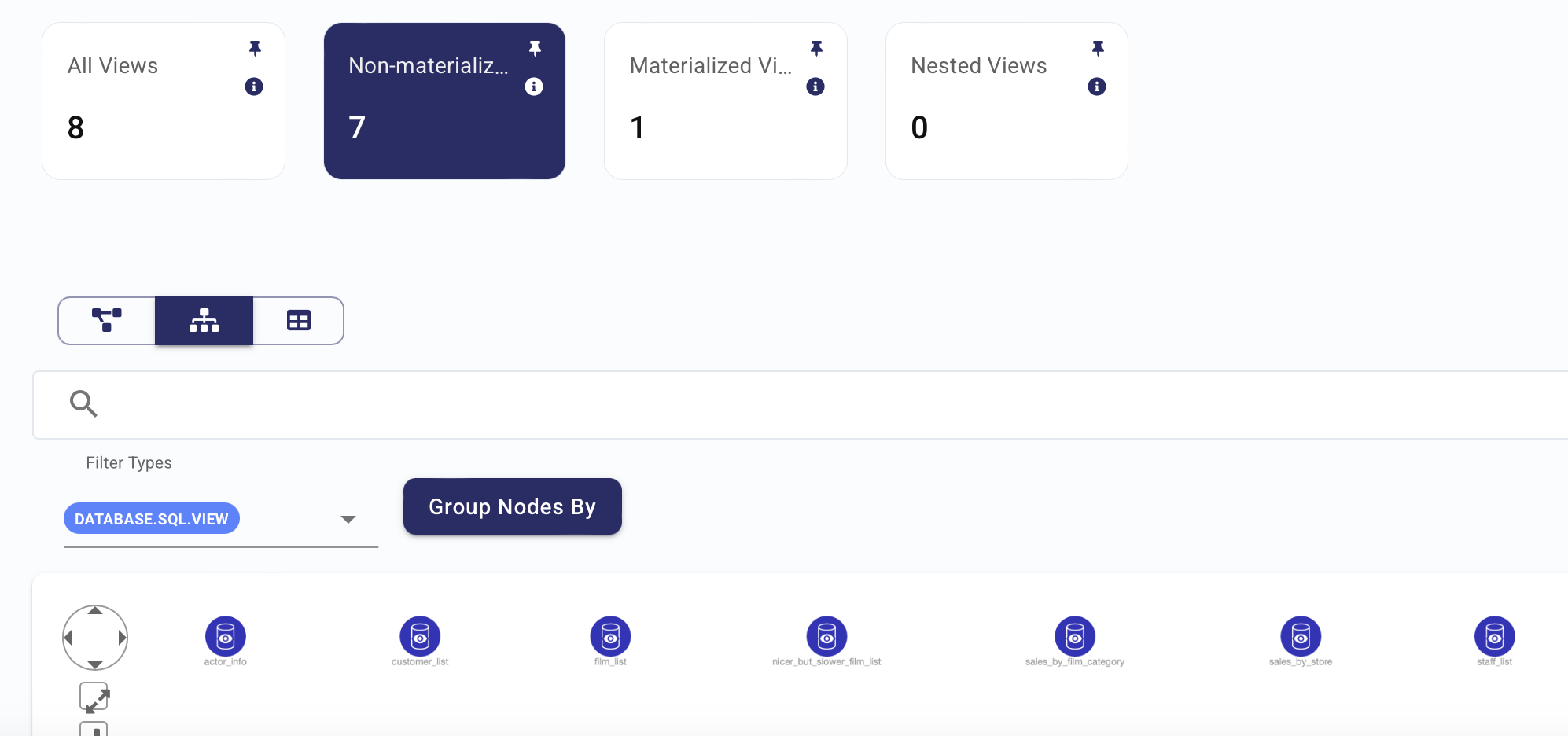
Why Are Non-Materialized Views Important?
-
Access Control & Data Security
- Views can restrict access to specific columns or rows, ensuring users see only authorized data.
- By exposing only required fields (e.g., hiding sensitive columns like
SSNorcredit_card_number), views help enforce Principle of Least Privilege (PoLP).
-
Performance Considerations
- Non-materialized views do not store results, so query execution depends on the underlying table’s performance.
- Indexing and database optimization techniques (e.g., partitioning, caching) must be considered to avoid performance bottlenecks.
-
Compliance & Auditing
- Regulatory standards (GDPR, HIPAA, PCI-DSS) require data masking and access restrictions. Non-materialized views help meet these compliance requirements.
- Audit logging can be implemented to track queries accessing sensitive information via views.
-
Abstraction & Data Consistency
- Views provide a layer of abstraction, allowing changes in the underlying schema without impacting applications.
- They help enforce data consistency by presenting a unified interface to multiple tables.
Best Practices for Security and IT Operations
1. Implement Role-Based Access Control (RBAC)
- Grant least privilege access using database roles.
- Restrict access to base tables and allow users to interact only with views.
Example (PostgreSQL):
CREATE VIEW secure_view AS
SELECT user_id, username FROM users WHERE role = 'customer';

GRANT SELECT ON secure_view TO app_user;